
Level of fear rises in LGBTQIA community, but we can combat it!
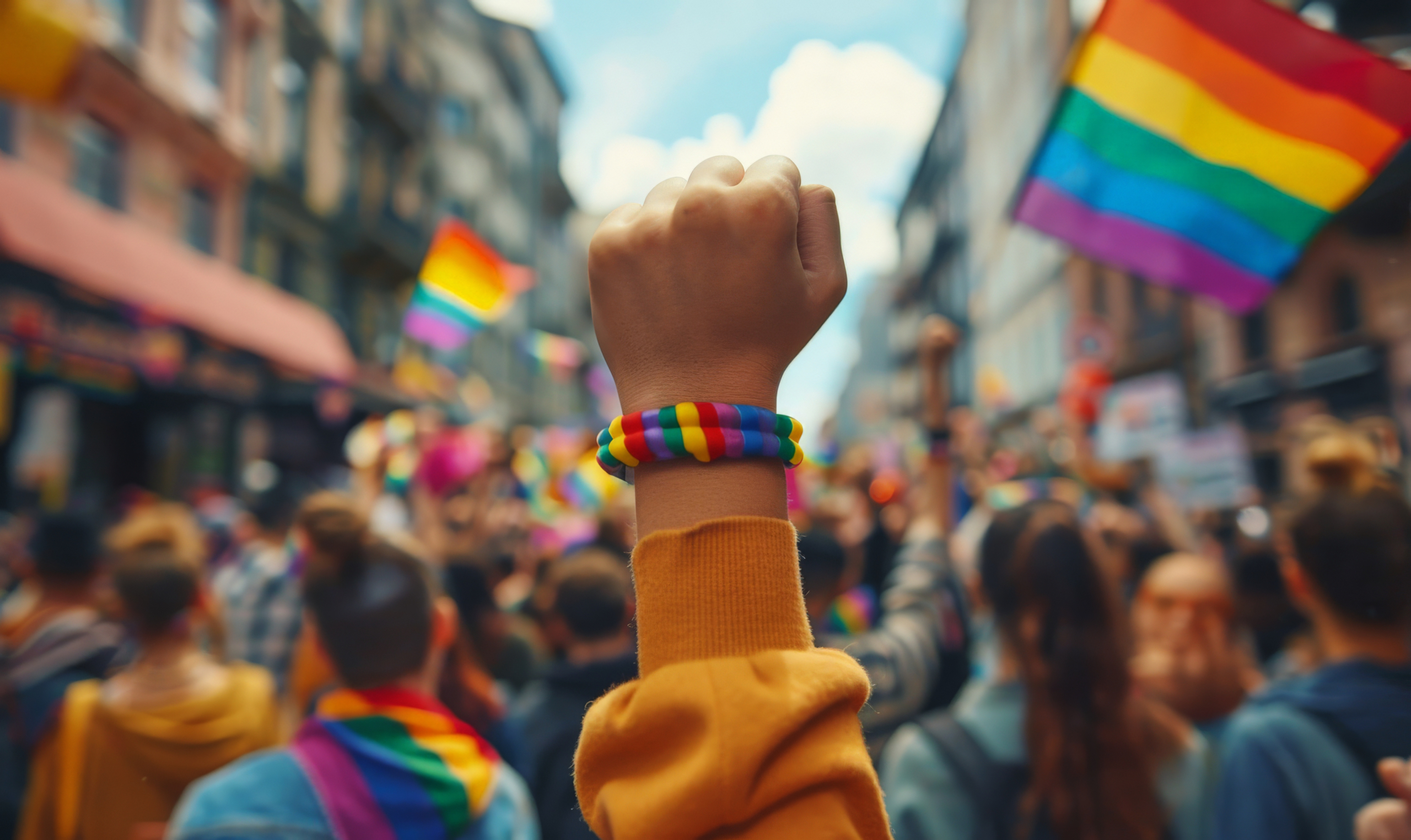
The opposition to diversity and inclusion today is growing stronger and louder. Millions of Americans legitimately are afraid. It seems as if a relentless and unprecedented attack targeted on the LGBTQIA community is gaining dangerously rapid momentum with no signs of slowing. Over the last several months, more than 300 anti-LGBTQIA actions, statements and policies (as reported by GLAAD) have been implemented, which are alienating these individuals, forcing many into isolation, and pushing countless more over the ledge emotionally.
A few weeks ago, another setback took place: the 988 Suicide & Crisis Lifeline’s LGBTQ Youth Specialized Services program for callers under the age of 25 was terminated. Established three years ago to serve Americans at highest risk for suicide, the crisis line connected callers to LGBTQ trained counselors. Nearly 1.5 million calls had been routed to that service.
Mental health therapists at The Center for Relationship Health in Royal Oak, are seeing almost double the number of LGBTQIA clients who are breaking down emotionally, desperate for help and hope.
I am seeing clients who are afraid to leave their home, who are experiencing hypervigilance and flashbacks from past traumas. They are suffering from anxiety and depression. Many won’t go to work and stay inside their homes, isolated from the public’s judging eyes.
As we struggle to find ways to stop this crisis, what we can do is help ourselves manage the mess emotionally and mentally by practicing neuroplasticity.
Neuroplasticity is the brain’s ability to reorganize or rewire its connections and create new networks in our brain that can respond positively to what is happening in the world that negatively influences our thoughts. Through neuroplasticity, we can learn to adapt in a positive way to negative messages that seem to be coming at us from many directions.
Our brains have the flexibility to update, reprogram and adapt.
To break off the negative thoughts and feeling from your brain, I recommend these steps:
- Reduce your exposure to media outlets and the news, which often are filled with negative bias that only perpetuates your fear. These negative thoughts release stress hormones that can cause interrupted sleep and social and emotional anxiety. Recognize the impact of the news and limit your exposure by setting specific time limits.
- Meditate. Carve out quiet time for you to reconnect with all that is good in your life.
- Get off your phone and step away from social media. Prioritize face-to-face interactions with people who support you, love you, and accept you.
- Seek professional help from a therapist with specialized training in working with LGBTQIA individuals.
At The Center for Relationship Health (CRSH), approximately 70 percent of our therapists are LGBTQIA. We not only have specialized training in working with this community, but we also understand you and the experiences you are trying to manage on your own because we, too, are going through similar issues. The CRSH is a safe place for you to seek help, advice and resources that can improve your mental health and your life. You are surrounded by people you can trust.
At the center we provide the following gender-affirming resources: access to HRT referrals, referral letters for medical procedures and trauma-informed therapy by therapists specially trained in this modality.
Take care of you! No one should live in fear. Practice neuroplasticity. It is a natural gift that will help you heal, grow and adapt to unwanted challenges like the ones we face today.
