
My Transitioning Journey: Acceptance and Validation Aren’t Easy to Find
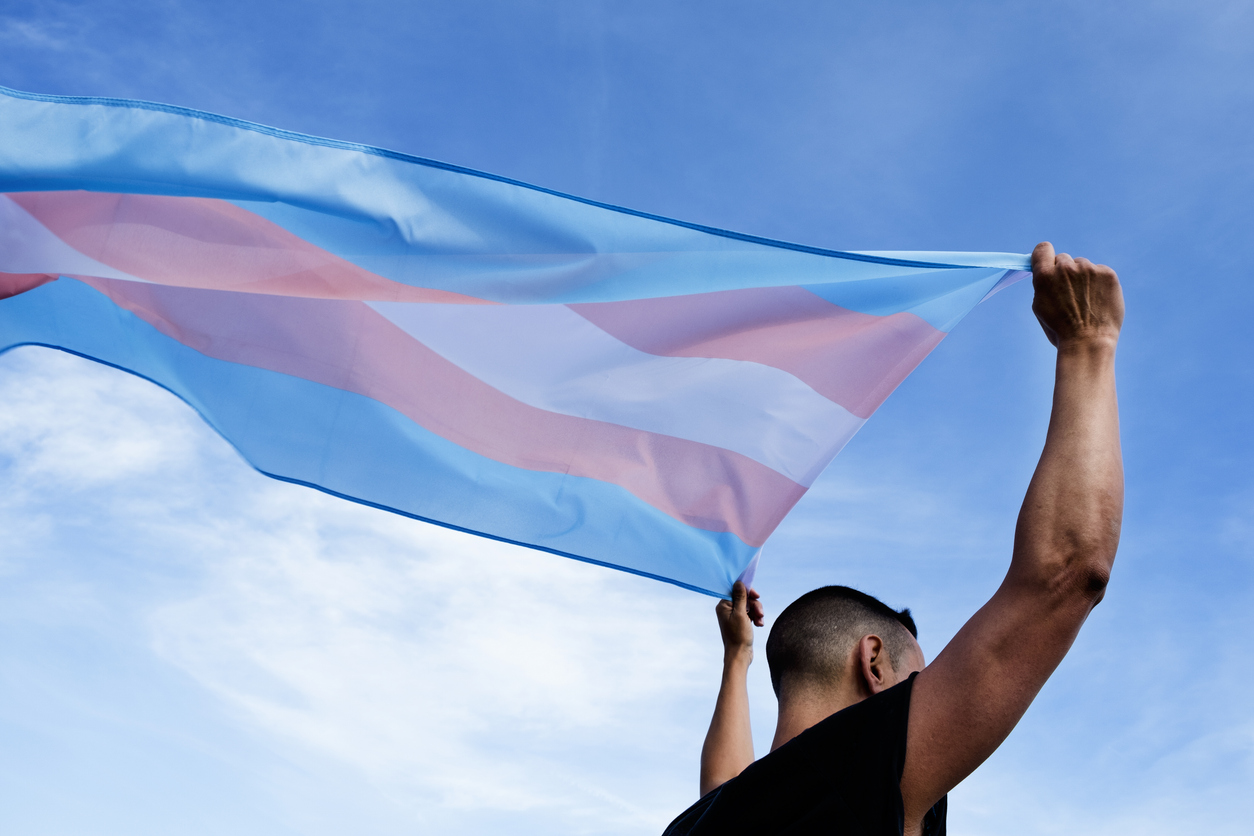
I remember going to a drag party in college and dressing drag. I felt I could be more myself in drag and others observed they saw me more clearly. I felt I was in the right personal space, and it felt good, but I brushed it off thinking I was just trying to be edgy. I stayed in drag for a full week after the party and it still didn’t seem strange to me.
I also remember writing stories, using a feminine pen name and writing from a woman’s perspective. It felt right, but again I brushed it off as simply doing something different.
There were more signs, but I dismissed them initially. I wasn’t able to connect the dots in my life, that was certain, but I couldn’t figure out why. Gradually it became clear.
Transitioning has been a liberating experience for me, yet at the same time, I’ve had to face a lot of pressure and opposition. I guess I expected people to be more accepting, welcoming and validating.
The challenges
Even though I finally feel whole as a woman, I was a bit surprised to learn that many people believe a person should always live their life as the gender assigned at birth. I was born a boy, and as I grew up, I was expected to identify as one and take advantage of the privileges given to men. I am Asian American, which further complicates my situation as I subconsciously embodied the social expectation that Asian women are subservient and accommodating. It has been a struggle, and I admit at times it is scary, but I know I deserve more for myself.
I have observed some preconceived notions surrounding transitioning. For example, there are societal expectations of what a trans woman should look like. She should be an ultra femme, and wear makeup and a dress. Looking pretty and even sexually appealing is an expectation, and if people don’t find you attractive as a woman, they make you feel you are not “doing it right.” The pressure to be an attractive trans woman in order to be accepted can be intense. You do not have to fit this mold, I have learned through my own personal journey. We all have different ways of expressing who we are. Sometimes I do the whole makeup thing, but other times, I dress for my comfort, and sometimes it can be more butch.
Another challenge is dating. If you are trans and single and want to enter the dating world, this is a tough step. The point of reference for many is that what they see in pornography is who we are. This is not even close to the truth. This does not reflect who we are, and we often are uncomfortable with being fetishized repeatedly.
Entering the dating world as a trans person requires a lot of self-acceptance, self-respect and trust. We need to understand our own needs and preferences so we can find the right partner. We also must make safety the #1 priority. Setting boundaries and making them clear with your partner also is essential to find and maintain a healthy, supportive relationship. You do not have to accept being disrespected just to avoid being alone.
Try to be emboldened and live your authentic self. It is hard at first, but it will get easier.
One of my biggest challenges in my trans journey, and one that I have had to accept as potentially unchangeable, is that I am estranged from most of my family. I was outed – not by choice – by people alarmed by my decision. My family is struggling to understand that my birth gender is not who I am; they think I am acting irrationally, and they feel I am destroying my body. This journey has been especially difficult because I have been going it alone; I don’t have my family’s support and understanding, and it has caused tremendous agony for me.
However, I’ve been fortunate to find a chosen family; I am building my community, and it has been uplifting. I have surrounded myself with listening, understanding, supportive and accepting individuals.
We especially need this community in the midst of the current political climate, which adds to the challenges for trans people; in fact, it can be terrifying at times, mostly because of the misinformation circulating. We are being dehumanized by rhetoric and untruths. I am so glad I live in a progressive, protective community, but once outside, it can be frightening and feel unsafe. I am bi-racial and trans, which adds to the unwanted attention I receive in public. Sometimes, just going to the grocery store can feel as if my safety is in jeopardy.
What I have learned
Starting to explore your gender can feel isolating and uncomfortable, especially if you don’t know any trans people personally. Start by joining trans and other LGBTQIA+ community events. Connect with groups on social media.
It is disappointing that others try to dictate our lives and our happiness. It is important that we protect our rights, that we look out for ourselves – which I have learned can be very tiring – and we have to find things that bring us joy when we feel hope is nonexistent. Be careful and cautious, but do not stop living life the way you want to live it. We need each other, we need our safety net, we need people to talk to.
Ask yourself, what do you want in life for you?
Remember, there are mental health professionals like me who are trans. I share similar experiences, and I will provide a safe space for you where you won’t feel you need to explain yourself. I am here to support you and help you through your journey.
Transitioning is a conflicting time; we finally are getting to know ourselves, but with this comes negative social pressure. I am relieved to say my self-esteem, confidence and mental state have improved dramatically. Transitioning has been life-affirming. Talk with other trans people and learn from their successes and challenges.
How can you support a person transitioning?
- Expect to be confused and uncomfortable at first. Acknowledge these feelings with the person transitioning and that you are trying to understand.
- Educate yourself. Read books and articles from credible sources, attend conferences, talk with other trans people and speak openly and honestly about what you don’t understand. Ask questions, but don’t make assumptions. We want your support and acceptance, and we welcome your openness.
- Keep the lines of communication open with the transgender people in your life. We need you!
- Advocate for transgender rights.
If you continue to struggle with your feelings, consider talking with a mental health professional, or find a support group.
